November 19, 2026
Is Pressure Cleaning Safe for Sandstone Around Your Home?
By @paxtonqbgu626
Sandstone is one of the defining materials of Sydney's north shore. It appears in retaining walls, front steps, pool surrounds, paving, garden edging and the foundations of heritage homes from Mosman to Pymble. It is beautiful and durable, but it is also soft, porous and easily damaged by the wrong cleaning method. So, is pressure cleaning safe for sandstone? The short answer is yes, but only when it is done correctly. Used carelessly, a pressure cleaner can leave permanent scarring, etched lines and surface erosion that no amount of cleaning can reverse.
Why Sandstone Needs Special Care
Sandstone is a sedimentary rock formed from compacted grains of sand, held together by natural cementing minerals such as silica, calcite or iron oxide. Sydney sandstone, often called Hawkesbury sandstone, is relatively soft compared with granite or concrete. The bonds between grains can be broken by excessive water pressure, which strips away the surface and leaves a rough, pitted finish.
Several characteristics make it more vulnerable than other outdoor surfaces:
- Porosity: Sandstone absorbs water and contaminants readily, so dirt, algae and tannins from leaves can penetrate below the surface.
- Soft grain structure: High pressure can dislodge grains, leaving a sandy, eroded surface.
- Variable density: Different stones, and even different parts of one block, can have varying hardness and bedding layers.
- Sensitivity to chemicals: Acidic cleaners can dissolve the natural cement in the stone and cause discolouration.
- Old or weathered mortar: Joints between stones may be fragile and wash out under strong water jets.
Why Sandstone Gets Dirty on the North Shore
The north shore's leafy streets, shaded gardens and humid, wet weather create ideal conditions for biological growth. Sandstone in these areas commonly develops:
- Green algae and moss in shaded, damp spots
- Black mould and lichen on south-facing walls
- Tannin stains from native trees such as eucalypts and angophoras
- Rust marks from metal furniture, pot stands or fixings
- Efflorescence, a white salt deposit that rises from within the stone
- General grime, traffic film and bird droppings
Left untreated, algae and moss hold moisture against the stone, which speeds up deterioration and creates slip hazards on steps and pool surrounds. Cleaning is not only cosmetic. It is part of protecting your investment.
When Pressure Cleaning Is Safe for Sandstone
Pressure cleaning is safe when the pressure, nozzle, distance and technique are matched to the condition of the stone. Professional operators typically rely on a combination of low-pressure washing and appropriate cleaning solutions rather than raw force. Key principles include:
Use Low Pressure
Sandstone generally needs far lower pressure than concrete. Many professionals work well below the pressures used on driveways, often using a soft-wash approach for delicate or heavily weathered stone. Working at lower pressure removes dirt without disturbing the grain structure.
Choose the Right Nozzle
A wide fan nozzle spreads water across a larger area and reduces impact. Narrow, zero-degree or turbo nozzles are inappropriate for sandstone, as they can carve lines and leave a patchy, striped appearance.
Maintain Distance and Consistent Motion
Holding the lance too close concentrates force on one spot. Keeping a steady distance and using smooth, overlapping passes helps achieve even results and prevents etching.
Let Cleaning Solutions Do the Work
Biodegradable, stone-safe cleaners and algae treatments break down organic growth so it can be rinsed away gently. Mild, pH-appropriate products are preferred. Strong acids and harsh bleach-based mixes can damage sandstone and harm surrounding plants and soil.
When Pressure Cleaning Can Cause Damage
Most sandstone damage comes from avoidable mistakes. Common risks include:
- Excessive pressure: Blasting away the surface layer, exposing rougher stone beneath and accelerating future dirt build-up.
- Striping and tiger marks: Uneven passes or the wrong nozzle leave visible lines.
- Mortar loss: Joints can be washed out, weakening walls and allowing water to enter.
- Water penetration: Forcing water deep into porous stone can contribute to salt movement, efflorescence and, in old walls, internal moisture problems.
- Chemical burns and staining: Incorrect products can bleach, darken or etch the stone.
- Damage to old or fragile stonework: Heritage sandstone and previously sealed surfaces may need specialist handling.
Situations That Call for Extra Caution
Heritage and Older Homes
Many north shore properties include historic sandstone walls and foundations. Old stone is often more weathered, and lime-based mortar is softer than modern cement. If your property is heritage-listed or in a conservation area, check council requirements and consider a cleaner experienced in conservation-sensitive methods before any work begins.
Pool Surrounds and Coping
Sandstone pool paving is exposed to chlorine, salt and constant moisture. It needs gentle cleaning to avoid roughening the surface, which can affect both comfort underfoot and slip resistance.
Retaining Walls and Garden Walls
Walls may have loose stones, voids or plant roots behind them. High pressure can dislodge material and, in some cases, compromise stability. Visual checks before cleaning are essential.
Previously Sealed Sandstone
If a sealer has been applied, the wrong cleaning approach can strip it unevenly or leave cloudy patches. Identifying the existing sealer helps determine the safest cleaning method.
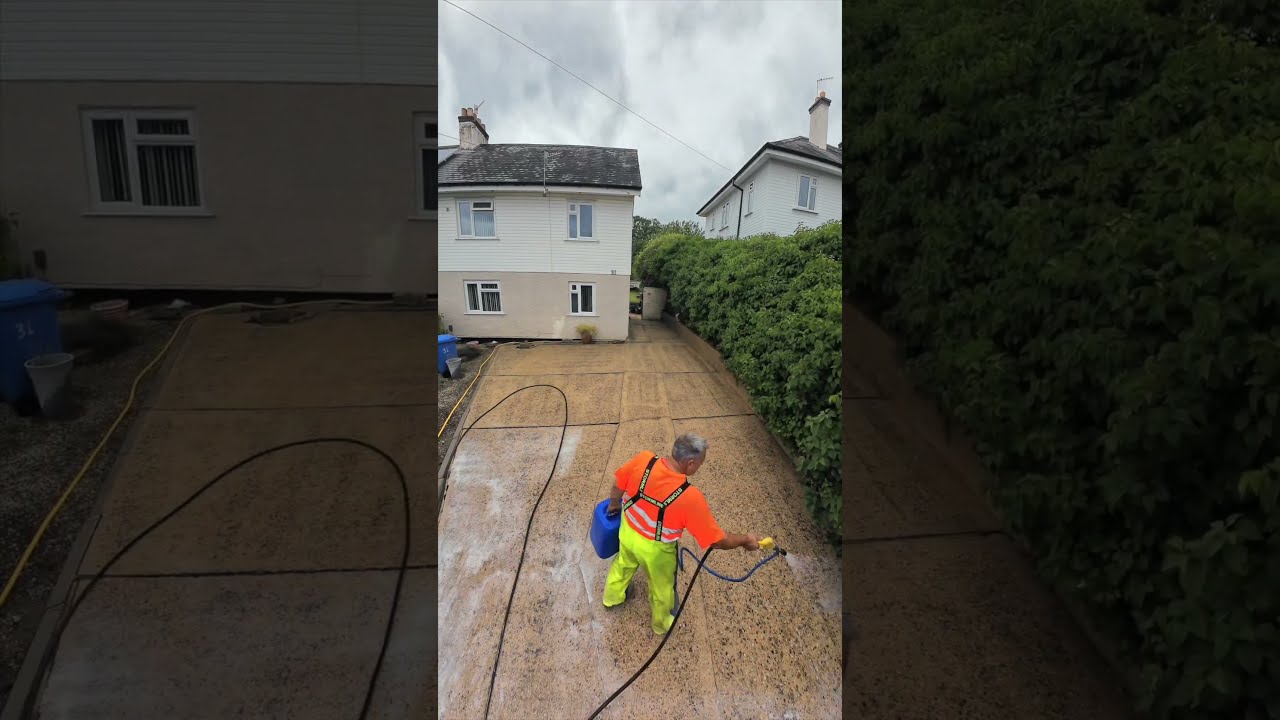
Steps for Safely Cleaning Sandstone
A careful process protects the stone and delivers better, longer-lasting results:
- Inspect the surface: Look for cracks, loose stones, crumbling mortar, previous repairs and existing sealers.
- Test a small, hidden area: Check pressure, nozzle and cleaning solution on an inconspicuous spot before cleaning the whole surface.
- Protect surroundings: Wet nearby plants, cover delicate features and manage runoff so cleaning solutions do not enter stormwater drains.
- Apply a suitable cleaner: Use a stone-safe treatment to loosen algae, mould and grime, allowing the correct dwell time.
- Rinse at low pressure: Work methodically with a wide fan pattern and steady motion.
- Treat stubborn stains separately: Rust, tannin and efflorescence often need targeted treatments instead of extra pressure.
- Allow to dry, then assess: Check the finish once the stone has dried and consider sealing if appropriate.
Environmental and Regulatory Considerations in Sydney
Responsible cleaning matters on the north shore, where bushland, waterways and stormwater systems are closely connected. Wastewater from pressure cleaning can carry detergents, sediment and organic matter. In New South Wales, it is an offence to allow pollutants to enter stormwater drains, and local councils expect contractors to manage runoff properly. Professional operators commonly use containment methods, filtration or vacuum recovery and biodegradable products to meet these expectations.
Water use is another factor. Sydney households are increasingly conscious of water efficiency, and low-pressure and soft-wash methods can reduce consumption compared with high-volume cleaning.
Should You Seal Sandstone After Cleaning?
Sealing is often recommended after cleaning, particularly for exposed areas such as patios, steps and pool surrounds. A quality penetrating sealer can reduce water absorption, slow the return of algae and mould, and make future cleaning easier. The surface must https://trevorgphn713.clearminster.com/posts/can-pressure-washing-fix-black-spot-algae-on-pool-coping be completely clean and dry before sealing, and the product must suit sandstone. Some sealers darken the stone or create a glossy finish, so testing a small area first is wise. Breathable sealers are generally preferred because they allow moisture vapour to escape, which helps prevent trapped moisture and salt problems.
DIY or Professional Cleaning?
Hiring a hardware-store pressure washer might seem economical, but sandstone is unforgiving of mistakes. Many consumer machines deliver more pressure than the stone can tolerate, and a single pass at the wrong angle can leave a permanent mark. Repairing damaged sandstone is far more costly than professional cleaning.
If you decide to hire a professional, ask them:
- Do you have experience cleaning sandstone specifically?
- What pressure and nozzle types do you use on soft stone?
- Do you use soft-wash methods or stone-safe cleaning products?
- How do you manage wastewater and protect gardens?
- Are you insured, and can you provide references or examples of previous work?
- Will you test a small area first?
Maintaining Clean Sandstone Between Washes
Regular, simple maintenance can reduce how often deep cleaning is needed:
- Sweep away leaves and debris regularly to limit tannin staining.
- Trim back overhanging vegetation to improve sunlight and airflow.
- Fix leaking taps, downpipes and irrigation that keep stone constantly wet.
- Remove metal pots and furniture that can cause rust marks.
- Treat early signs of algae or mould before they spread.
- Consider a periodic soft wash, typically every one to two years depending on shade and moisture levels.
The Bottom Line
Pressure cleaning is safe for sandstone when it is carried out with the right pressure, nozzle, technique and cleaning products. The material's softness and porosity mean that gentle, controlled methods are essential, and aggressive blasting should always be avoided. For north shore homeowners, with shaded gardens, humid conditions and an abundance of sandstone features, regular careful cleaning keeps outdoor areas safer, fresher and better protected. Choosing an experienced operator who understands sandstone, local regulations and environmental responsibilities is the most reliable way to restore the stone's natural beauty without compromising its lifespan.
If you are unsure about the condition of your sandstone or the best method to clean it, request an on-site assessment and a small test patch before committing to a full clean. It is a simple step that helps protect one of the most valuable features of your property.
North Shore Pressure Cleaning Pros
(02) 9538 7942
❧